The Learning Café
A good place for questions.
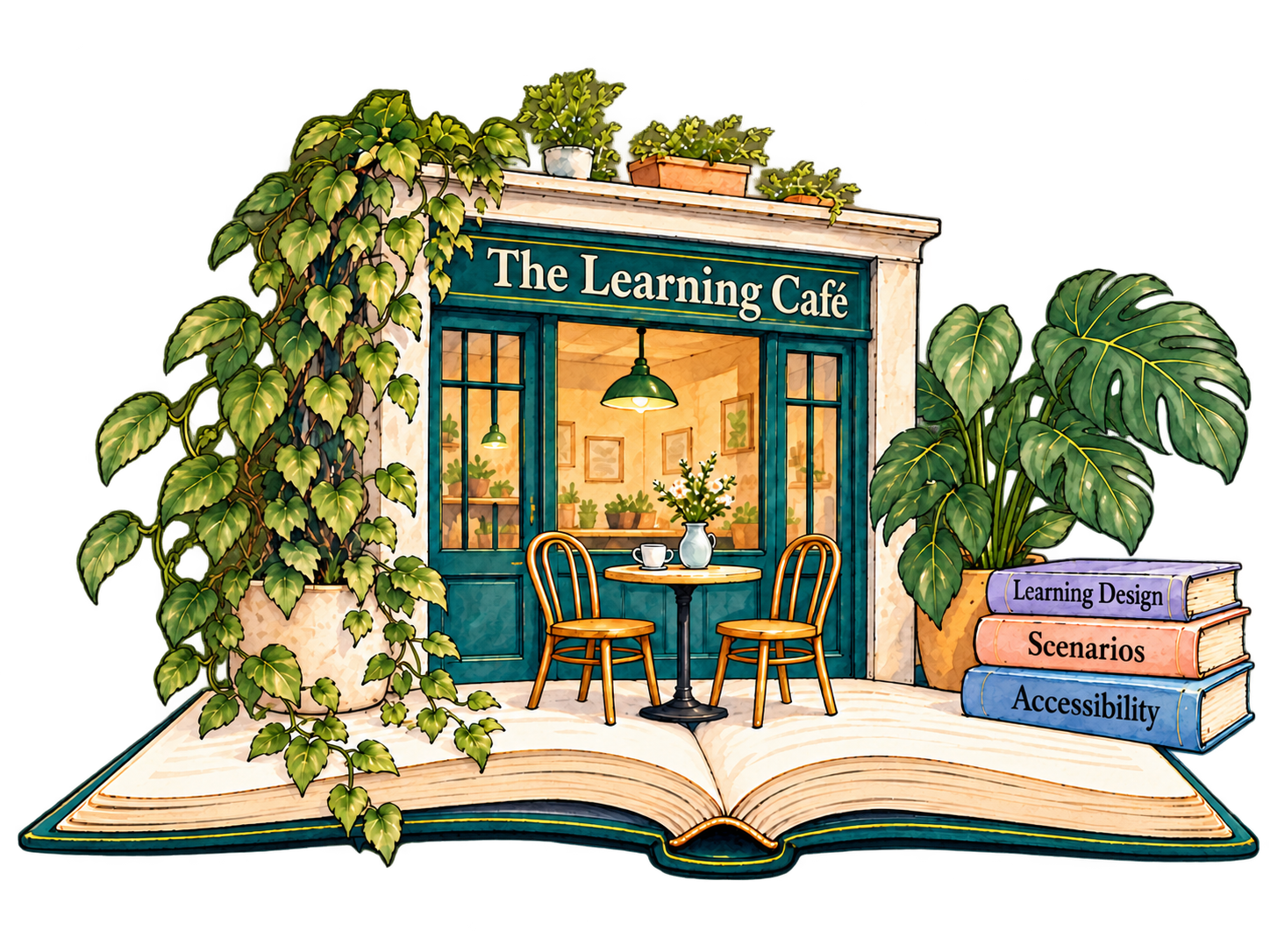
I design learning that makes unfamiliar work clear—and gives people a useful next step.
Courses, scenarios and practical tools, informed by five years of teaching across a language barrier.
Sarah McLean · Learning designerM.Ed. in Curriculum & Teaching
Spanish & ESOL educator · Seattle
Selected work
Explore the work.
Start with the featured projects, or browse by format. Each case connects the learner’s task with the design decisions and working sample.
9 projects
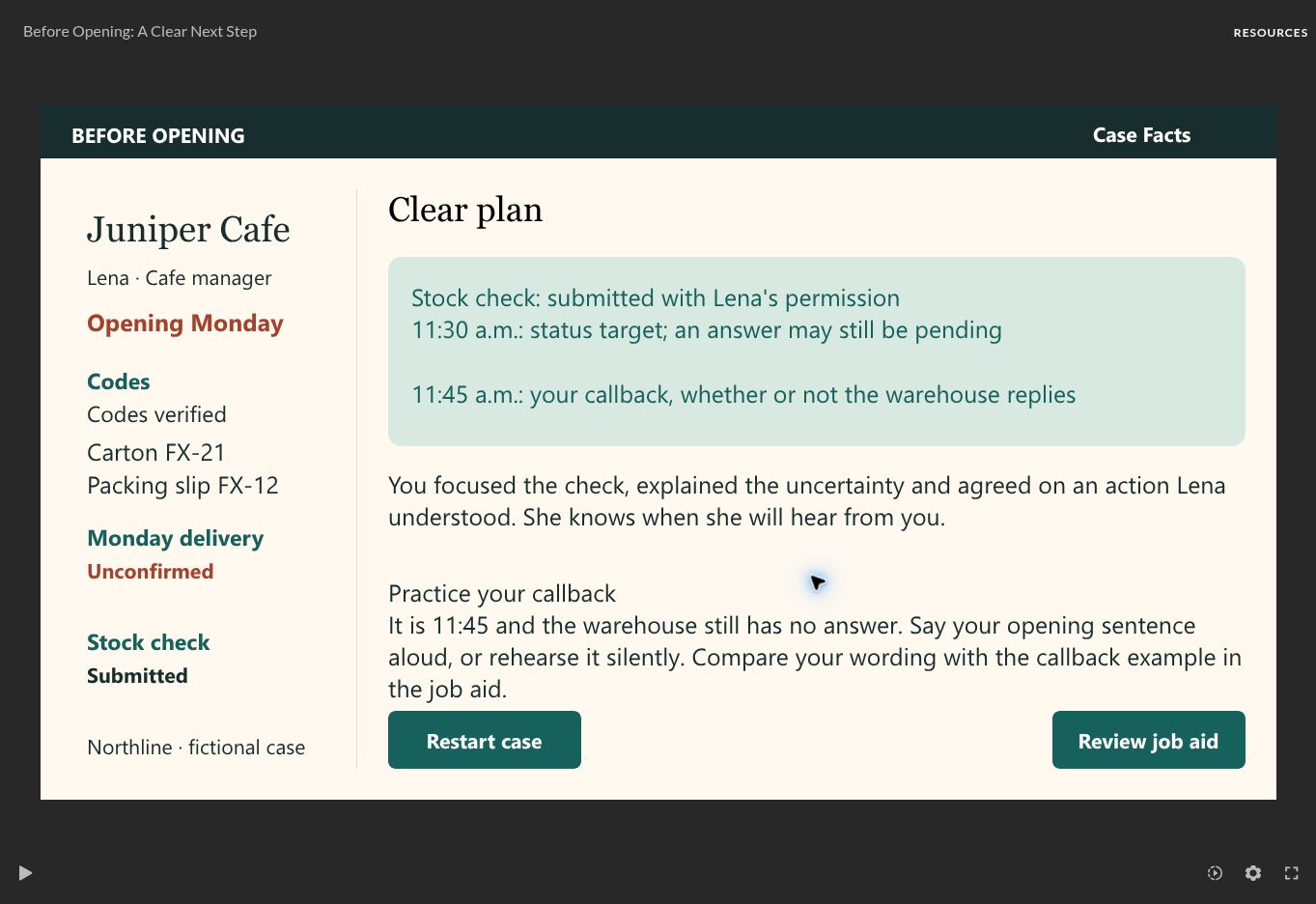
Before Opening
A customer conversation with branching consequences, recovery paths and a branded job aid.
Workplace conceptView the scenario Published course, design rationale and prototype.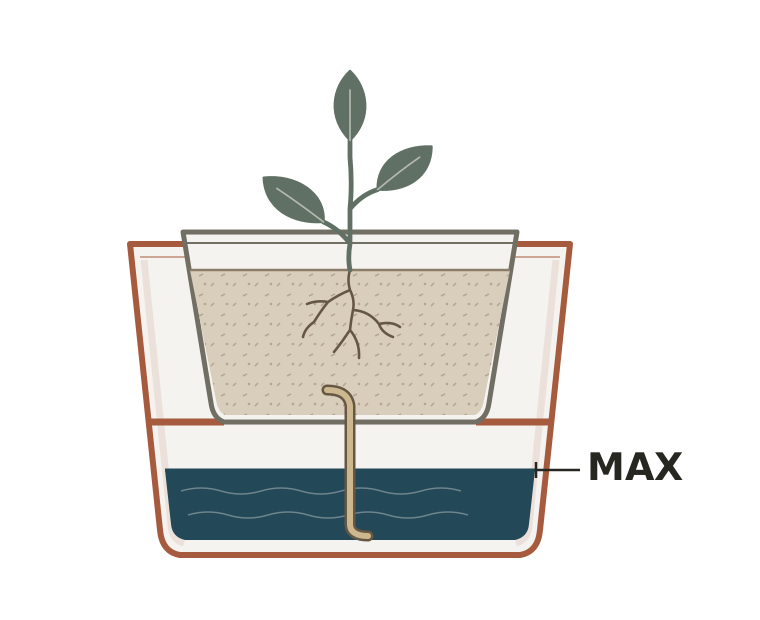
Show Where the Water Goes
Turn specialist notes into a visual explanation, setup practice and customer guidance.
Fictional SME-to-learning sampleExplore the lesson & design process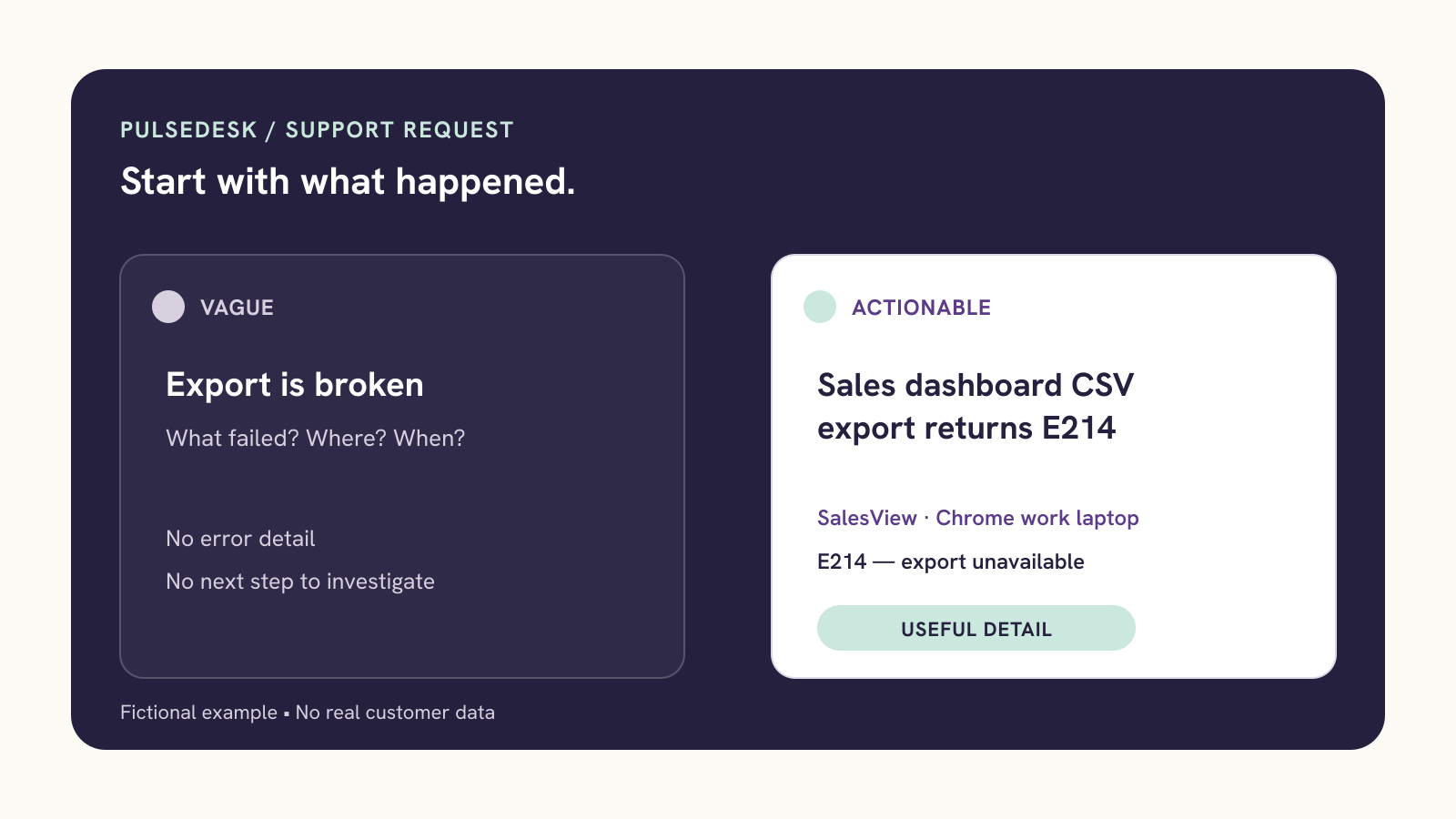
Write a Useful Support Ticket
A Rise course with worked examples, a short video and a ticket-writing task.
Workplace conceptView the project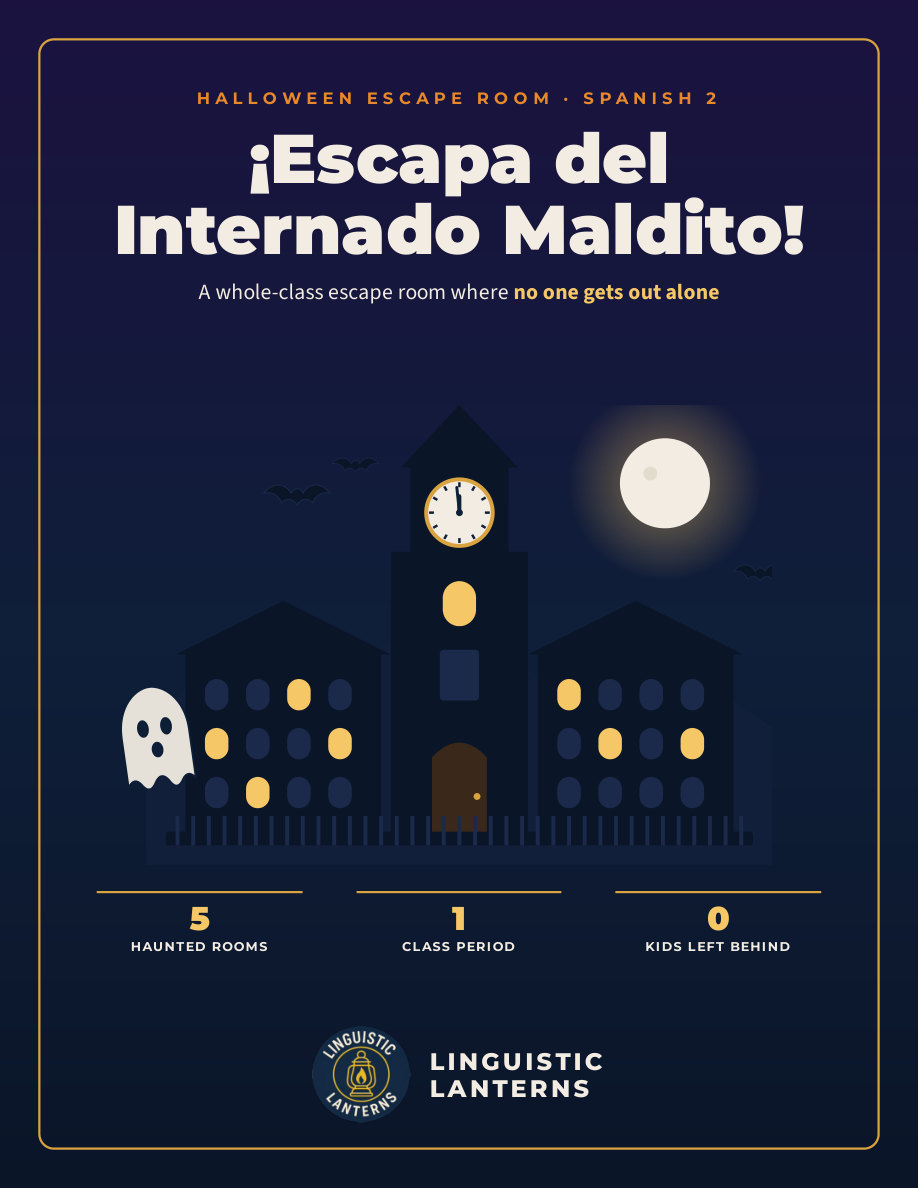
El Internado Maldito
A facilitated escape room with shared clues and individual evidence of understanding.
Classroom productExplore the learning kit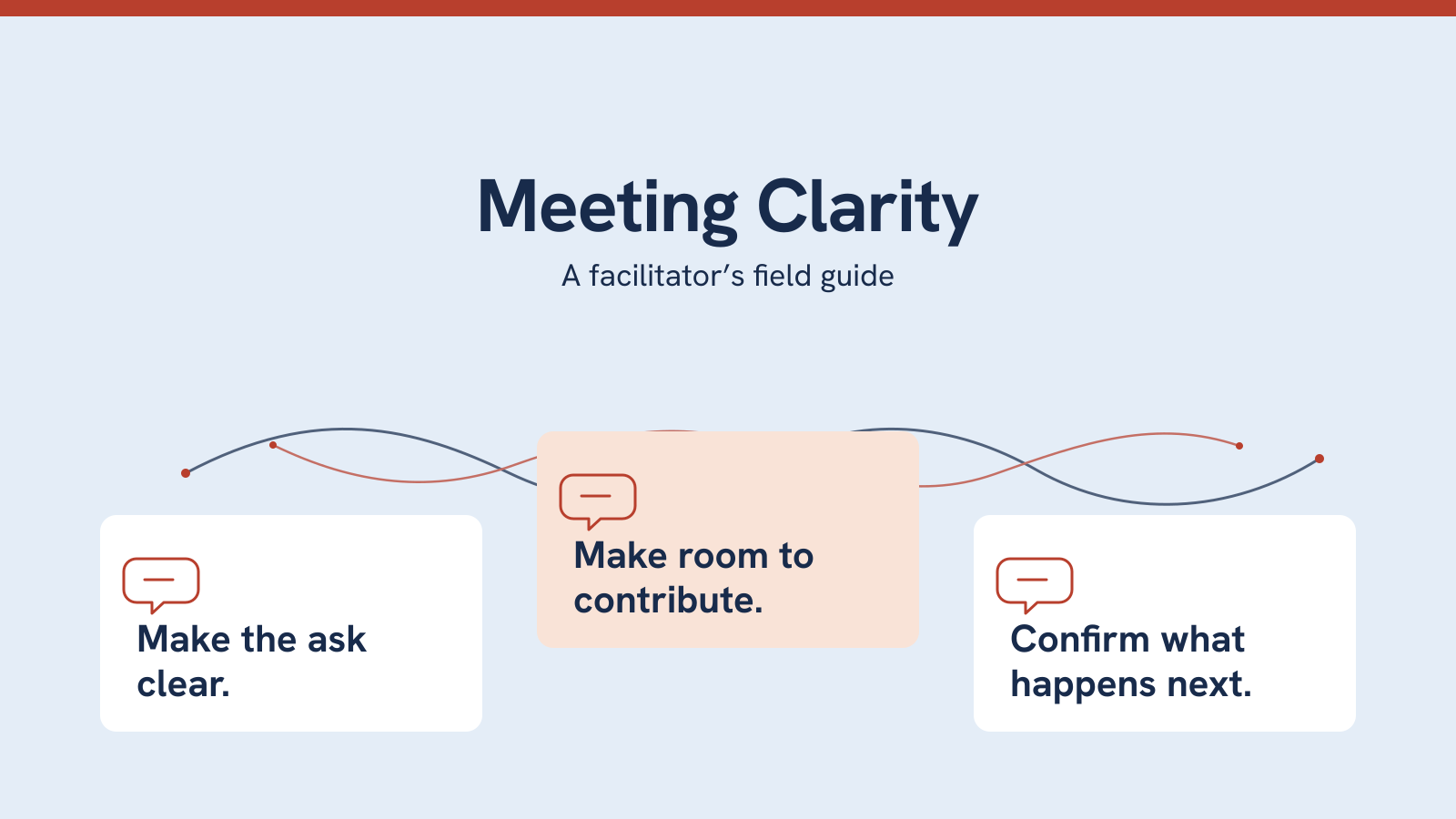
Meeting Clarity
Find words for a difficult moment. Agree who will do what next.
Workplace conceptView the field guideCheck Before You Import
Turn product rules into a careful review and a correct roster.
Specialized workplace conceptTry the practice & explore the process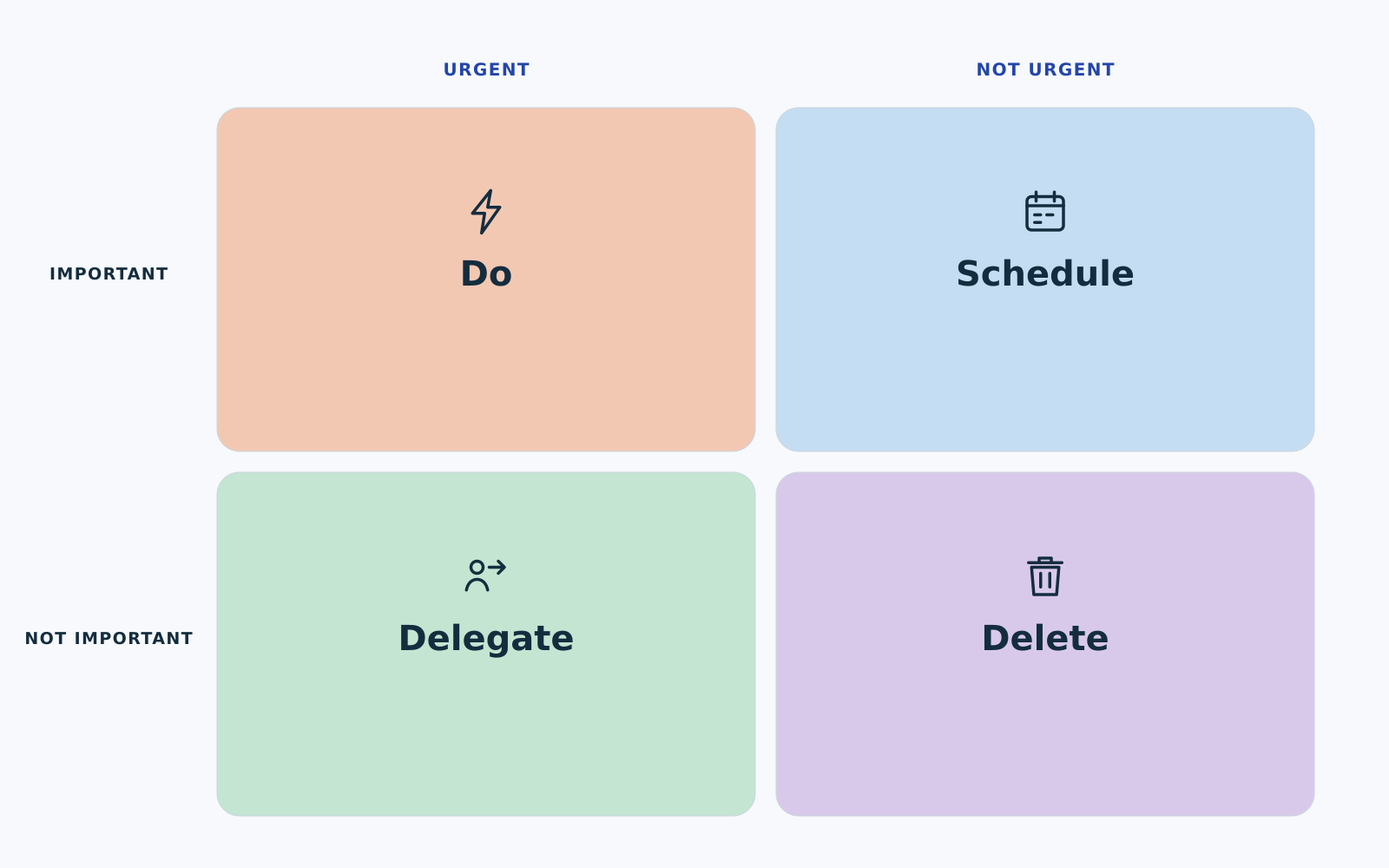
Prioritize Your Workload
Turn competing requests into a plan you can explain.
Workplace conceptView the project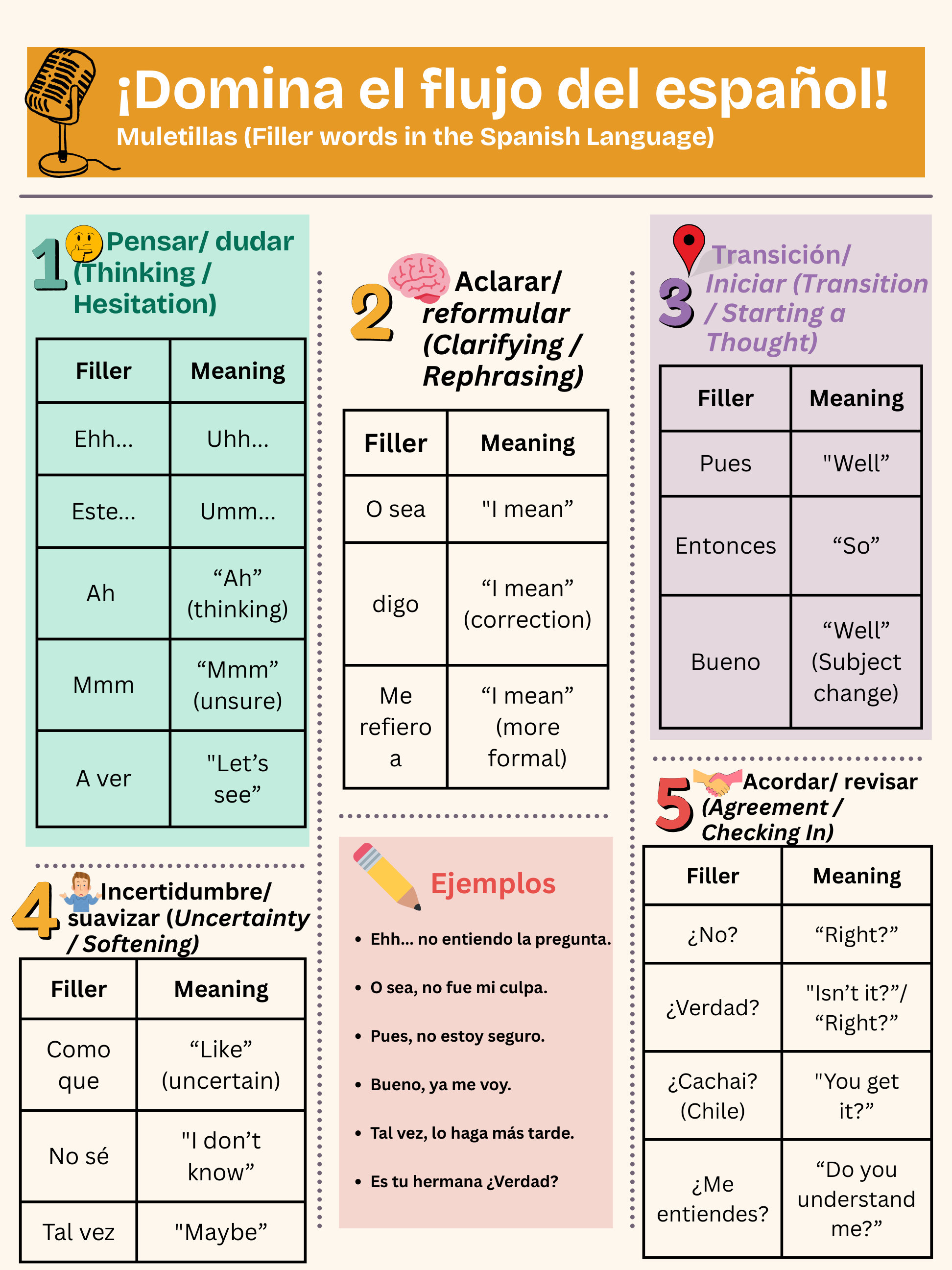
Words for the Moment
Choose language for clarifying, connecting ideas and keeping a conversation moving.
Classroom productExplore the reference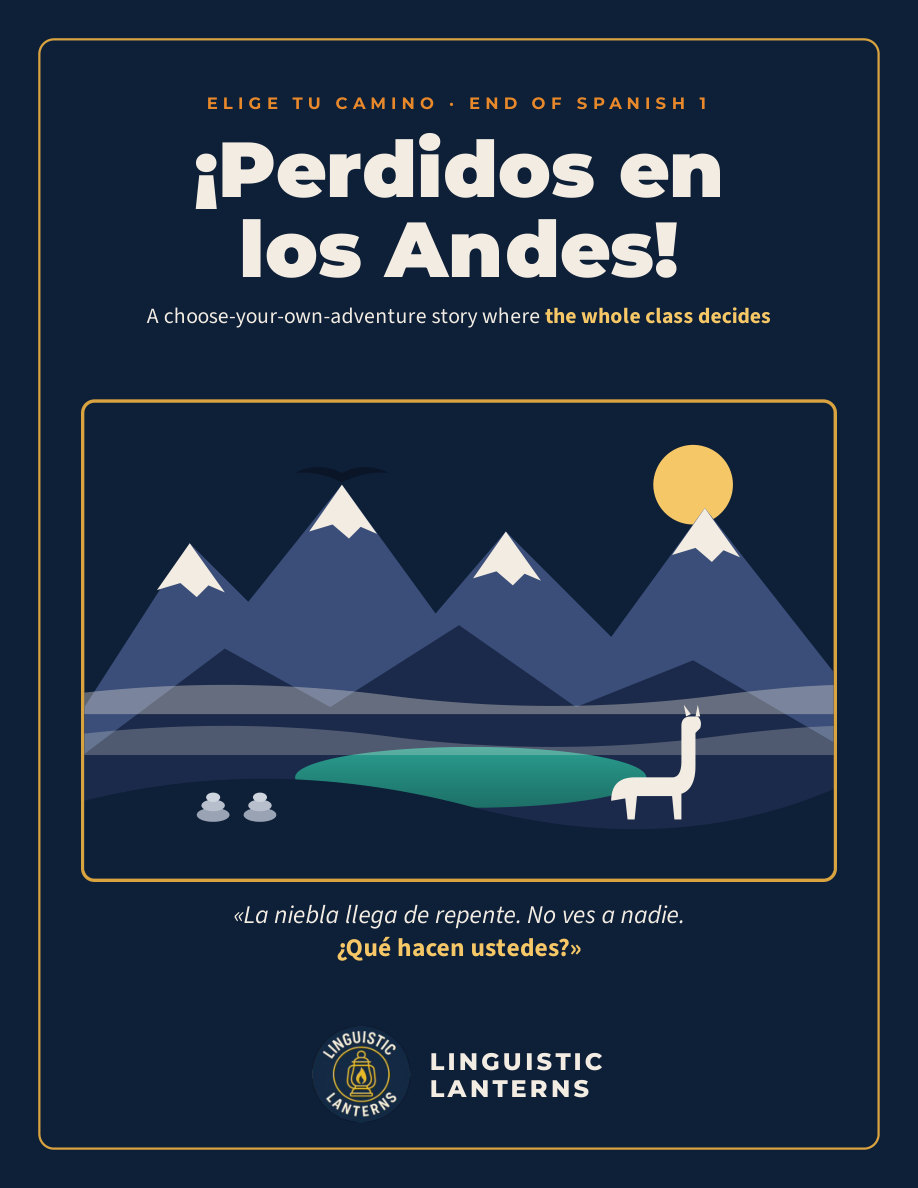
¡Perdidos en los Andes!
Read the clues. Discuss the choice. Discover where it leads.
Classroom productExplore the storyHow I design
Practice with
a purpose.
I start with the performance task, then align the objective, practice, feedback and support people will use at work.
Accessibility approach & current checks ↗Give the learner a real decision.
A role, a goal and useful evidence give a scenario its purpose. Feedback should help someone understand the consequence and try again.
Make each game element earn its place.
A clue, constraint or reward should support the intended practice. I use story and game mechanics where they help the task.
Design for unfamiliar language and context.
Clear structure, plain language, keyboard access and alternatives to visual or audio cues shape the work from the start.
How I organize the design process
ADDIE—Analysis, Design, Development, Implementation and Evaluation—provides a useful structure for explaining the work. The case studies connect a performance problem to an observable objective, the practice that supports it, and the evidence I would use to evaluate it.
In Fieldwell, task analysis turns a specialist briefing into explanation, setup and customer-response practice. In Before Opening, decisions and feedback align to accurate communication and authorization. Meeting Clarity demonstrates a performance-support choice: a searchable prompt for use during the task.
These self-directed workplace samples include development and technical review. Organizational needs validation, rollout and learner evaluation remain proposed. Each case identifies those limits and the next evidence needed.
The evidence behind this approach
Research on simulations supports guided practice for complex skills in the higher-education settings studied. Support such as worked examples and reflection should match learners’ prior knowledge.
Research on gamification finds benefits that vary by design and outcome. My design choice is to use story and game mechanics where they support meaningful decisions and feedback, then evaluate whether the learning carries into a new task.
Sources: Chernikova et al. (2020), simulation-based learning · Sailer & Homner (2020), gamification of learning. These studies inform the approach; they are not results from my portfolio samples.
About Sarah
Making room for understanding.
Teaching Spanish and ESOL has taught me to notice where meaning gets lost—and how to make a complex task approachable.
I have an M.Ed. in Curriculum & Teaching and approximately five years of classroom experience. Through Linguistic Lanterns, I also create interactive and gamified learning resources.
I’m bringing that experience into corporate instructional design, with a particular interest in people learning unfamiliar vocabulary, systems or ways of working.
Outside of work, I’m usually tending my plants, reading, or spending time with my two cats.
This portfolio contains self-directed workplace concepts and classroom products. Each case explains the design decisions, my contribution and the current review status. Read about the tools and asset sources used.
Explore the story portals
Story & scenario-based learningStep into a few small worlds.A role to step into. A choice that matters. A place to try again.Open the doorClose the door
A café before opening. A school with a secret. A route through the mountains. Different settings, each built around something the learner needs to do.
These projects are also in Scenarios & games above.
Before Opening
Find a clear next step when the answer isn’t easy.
Enter the café 02 / Cooperative escape roomEl Internado Maldito
Connect the clues. Help the whole class escape.
Enter the school 03 / Branching language story¡Perdidos en los Andes!
Follow the evidence. Choose the way forward.
Take the mountain path